The Retiree’s Edge: Why September and October Are the Cheapest Months to Travel
29 September 2026 · RetiredPerks editorial team
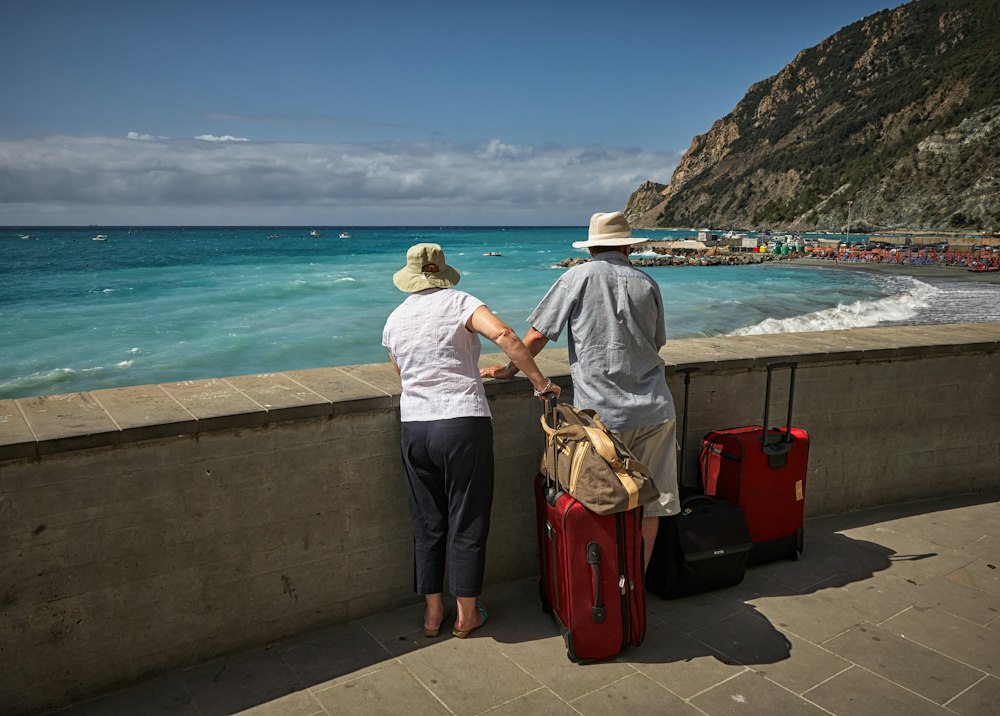
There is one travel perk that no credit card, loyalty program, or membership can match. It is a calendar with nothing on it.
Working travelers cram their trips into summer and school breaks, which is exactly when airlines and hotels charge the most. Retirees can wait two weeks past Labor Day and watch the same trips get cheaper, quieter, and cooler. Travel pros call it shoulder season. We call it the retiree’s edge.
Here is how to use it this fall, with real numbers behind every claim.
The retiree schedule advantage
Shoulder season is the stretch between peak summer and the holidays, roughly mid September through late October, with a spring twin in late April and May. Prices drop because demand drops. Families are back at school, offices are busy, and the crowds thin out almost overnight.
The catch is that shoulder season rewards flexibility. The best fares tend to appear midweek, on odd dates, with short booking windows. A traveler who can only fly Saturday to Saturday misses most of them. A traveler who can leave on a random Tuesday in October catches them.
That second traveler is you. Flexibility is the whole game, and retirement hands it to you for free.
What the data says about fall prices
Flights are where the savings show up most reliably. Kayak’s data for this fall shows international flights in September and October averaging 26 percent less than the same routes in July and August 2026. Kayak’s most recent full shoulder season report found a similar pattern across the board: international airfare down 33 percent versus summer, domestic airfare down 21 percent, and rental cars down 19 percent, with fares to Europe running 37 percent below summer peaks.
One honest note about lodging, because this fall is a little different. Interest in fall travel is up 17 percent over last year, and Vrbo reports that average nightly rates in its most popular destinations are only about 5 percent below summer peaks. Summer demand has spilled into fall, and in the most famous spots the hotel discount is smaller than it used to be.
That is not bad news for retirees. It is good news. When savings get harder to find, the traveler with a wide open calendar and no attachment to the obvious destinations wins by an even bigger margin. The deals have not disappeared. They have just moved, and you can follow them.

Where to go this fall
Here is where the numbers actually favor you in fall 2026.
Southern beach towns after the crowds leave. Vacation rental rates in Myrtle Beach, South Carolina average 34 percent less than summer, with some properties dropping from around $1,300 a night in August to about $600 in October. Orange Beach, Alabama runs about 31 percent below summer, and Panama City Beach, Florida about 24 percent. The Gulf and the Atlantic are still warm enough for a swim well into October.
Europe, but skip the capitals. European vacation rentals fall about 8 percent from summer highs on average, and the real bargains sit outside London, Paris, and Rome. Kayak’s report flagged Spain as the standout, with airfare to several Spanish cities running close to 47 percent below peak. Greek islands like Corfu and Crete, Portugal’s Azores, and smaller cities such as Siena and Girona all get cheaper and calmer once September arrives, while the weather stays lovely.
National parks in their best month. October is arguably the finest month in the American parks. Aspens turn gold in the Rockies, the summer heat breaks in Utah’s red rock country, and the entrance lines shrink. Pair the season with the pass below and this becomes one of the cheapest great vacations in America.
A slow train through the fall colors. Amtrak gives travelers 65 and older 10 percent off most fares, and October is peak foliage on routes through New England and the Northeast. Book a window seat, bring a thermos, and let someone else drive.
The discounts that stack
Shoulder season pricing is the base layer. These verified discounts go on top.
The America the Beautiful Senior Pass. If you are a U.S. citizen or permanent resident age 62 or older, $80 buys a lifetime pass to more than 2,000 federal recreation sites, including every national park that charges an entrance fee. There is also a $20 senior annual pass if you want to try before committing. Buy it in person at a federal recreation site to pay exactly $80, or order online through the USGS store, which adds a processing fee and a few weeks of delivery time. It also covers everyone in your vehicle at per-car parks. For the price of one dinner out, it is the single best travel purchase in American retirement.
Hotel senior rates. Marriott offers up to 15 percent off for guests 62 and older; look for the Senior Discount option under Special Rates when you book. Best Western has a senior rate for travelers 55 and up. Choice Hotels brands, including Comfort Inn and Quality Inn, offer special rates for guests 62 and older. Always compare the senior rate against the public rate, since sale prices sometimes beat it.
AARP member pricing. AARP members can get at least 10 percent off participating hotels through the AARP Travel Center, and up to 35 percent off base rates on Avis and Budget rentals. If you already carry the card, put it to work.
Airline senior fares, with realistic expectations. Most airlines have quietly retired their broad senior discounts. United still offers senior fares on select routes if you set the traveler type to 65 plus when searching, and Delta offers some senior pricing by phone on certain routes. Check them, but compare against regular sale fares, because the sale often wins. Amtrak’s 10 percent senior discount, on the other hand, applies to most trains and is as simple as choosing Senior when you book.

The one caution
Fall’s discount has a reason attached. Atlantic hurricane season runs June 1 through November 30 and historically peaks around September 10, which is part of why Caribbean and Gulf Coast prices dip 20 to 40 percent this time of year. The good news for 2026: NOAA is forecasting a below normal season, with a 75 percent chance of quieter than average activity.
Below normal is not zero. If you book the Caribbean, Florida, or the Gulf Coast in September or October, buy a travel insurance policy with weather related trip cancellation coverage, and buy it soon after booking, since coverage generally must be in place before a storm is named. A refundable hotel rate is cheap peace of mind too.
Your fall, your rules
The best time for retirees to travel is the time nobody else can. This September and October, that means cheaper flights, emptier beach towns, golden parks, and a lifetime parks pass that costs less than a tank of gas used to.
On the editorial side, our team keeps a running list of vetted travel discounts and offers in the travel category of the Retired Perks page, and we update it as deals change.
Want fall and spring shoulder season deals like these in your inbox? Subscribe to the Retired Perks newsletter and travel like the calendar belongs to you. Because it does.
Sources
- Kayak shoulder season data via GlobeNewswire, August 2026
- Kayak shoulder season savings report
- Vrbo fall 2026 pricing data via IndexBox
- CNBC: The travel shoulder season is shrinking
- National Park Service: Entrance Passes
- USGS Store: Lifetime Senior Pass
- Amtrak: Senior Discount
- Best Western: Senior Hotel Discounts
- Clark.com: Hotel Chains That Offer Senior Discounts
- AARP: Travel Discounts for Members
- AARP: Car Rental Discounts
- NOAA: 2026 Atlantic hurricane season outlook