The Fall Home Safety Checklist: Small Fixes That Prevent Big Falls
10 October 2026 · RetiredPerks editorial team

There is a version of fall prevention that sounds like a lecture. This is not that. This is a two-hour project with a screwdriver, a pack of nightlights, and maybe a pizza afterward, and it is one of the highest-return home improvements you can make.
Here is the case for spending a weekend on it. Falls are the leading cause of injury for adults 65 and older. According to the CDC, more than 14 million older adults, about 1 in 4, report falling each year, and roughly 1 in 5 of those falls causes a serious injury like a broken bone or a head injury. Falls send about 3.6 million older adults to the emergency room every year and cost the health system around $80 billion annually.
Two more facts matter here. First, the CDC is direct about this: falls are not a normal part of aging. Second, most of the hazards involved are cheap and fixable. A loose rug. A dark stairway. A tub with nothing to hold onto.
If you are the adult child reading this, here is your framing: this is not about hovering. It is a home project you do together during a visit, the same way you would help hang shelves. If you are the homeowner, here is yours: every fix on this list is about staying in the home you love, on your own terms, for as long as possible.
Grab a notepad, start at the front door, and walk the house room by room.
Entryway and stairs
Stairs deserve the most attention, so start there.
Check every handrail. You want a sturdy rail on both sides of every staircase, indoors and out, running the full length of the stairs. Grab each one and pull hard. If it wiggles, tighten the brackets or replace it. A rail on only one side is worth fixing; you will not always be carrying groceries in the convenient hand.
Light the stairs properly. There should be a light switch at both the top and the bottom of every staircase. If rewiring is not practical, plug-in motion-sensor lights along the stairway are an inexpensive workaround that turns on before your foot hits the first step.
Fix the steps themselves. Repair loose or uneven steps, and make sure any carpet on the stairs is firmly attached. Torn or bunched stair carpet is one of the most dangerous surfaces in a house.
Clear the launch zones. Nothing lives on the stairs, ever. Shoes, mail, and the laundry basket all need another home. At the front and back doors, add a bench or chair for putting on shoes, and make sure exterior steps have good lighting and a non-slip surface for wet weather.
Living areas
Living rooms fail quietly. The hazards are things you have walked past a thousand times.
Deal with throw rugs. Small rugs are the classic culprit. Either remove them or secure them with double-sided tape or a non-slip backing so they cannot slide or curl at the edges. This includes the little mat in front of the couch that has been there since 2009.
Corral the cords. Lamp, phone, and TV cords should never cross a walking path. Move them along walls, or have an electrician add an outlet so you are not stretching cords across the room.
Open up the walking lanes. You should be able to walk through every room without turning sideways around furniture. If the coffee table catches a shin twice a month, the coffee table moves.
Mind the low stuff. Ottomans, magazine racks, pet beds, and the dog itself all sit below your natural line of sight. Keep floor-level items out of the paths you actually walk, especially the route you take at night.
Bathroom
Bathrooms combine water, hard surfaces, and quick standing movements, which is why they show up so often in fall statistics.
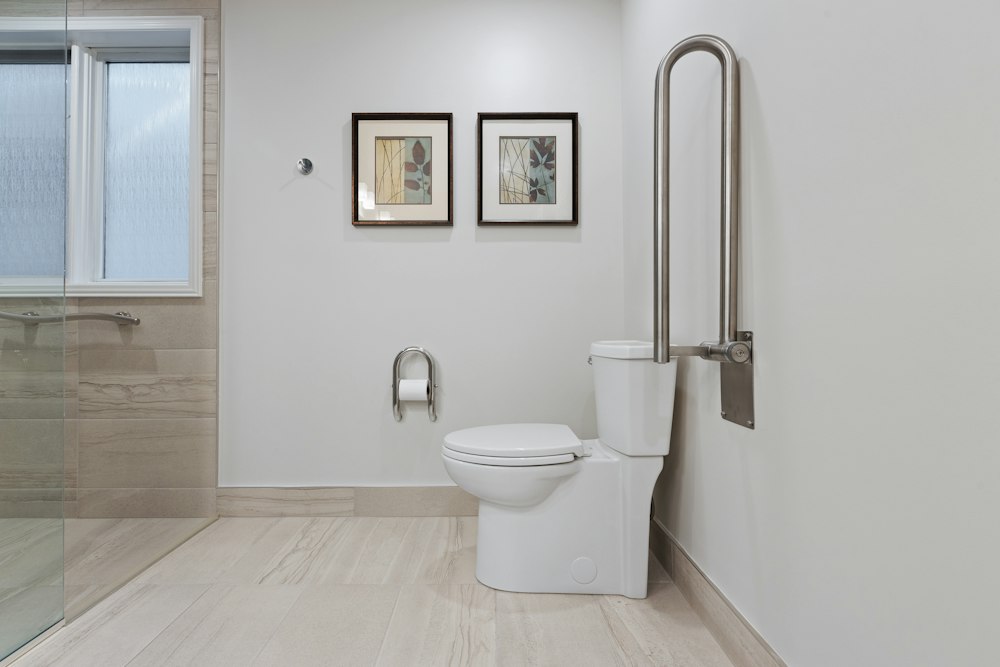
Install real grab bars. The CDC’s STEADI checklist recommends grab bars inside the tub or shower and next to the toilet. Towel racks do not count. They are anchored for towels, not body weight, and they pull out of the wall exactly when you need them most. Proper grab bars cost $20 to $40 each and install in an afternoon into wall studs or with rated anchors.
Add traction. Use non-slip mats or adhesive strips on the tub or shower floor, and a rug with a rubber backing on the bathroom floor.
Think about the transitions. Getting in and out of the tub and up from the toilet are the two riskiest moments. If either one has started to feel like a project, a shower chair, a handheld shower head, or a raised toilet seat are small changes that make a real difference.
Bedroom
The bedroom checklist is mostly about the middle of the night.
Put light within reach. A lamp should sit close enough to the bed that you can turn it on without getting up. Keep a phone within reach too.
Light the path to the bathroom. This is the single best use of nightlights in the house. Plug them in along the full route from bed to bathroom, and choose motion-activated ones so there is nothing to remember.
Keep the floor boring. No clutter beside the bed, no slippery throw rug where your feet land, and blankets that do not trail onto the floor.
Kitchen
Rearrange for reach. Move the items you use every day to shelves between waist and shoulder height. The goal is to almost never need a step stool.
Retire the chair-as-ladder. If you must reach something high, use a sturdy step stool with a handrail. Never a chair, and never anything with wheels.
Wipe spills immediately. Water and cooking grease on the floor are instant hazards. Keep a towel handy and make cleanup a reflex, not a chore for later.

Beyond the house: shoes, medications, and eyes
The house is half the project. The other half walks around inside it.
Shoes. Wear sturdy, well-fitting shoes with non-slip soles, inside and out. Backless slippers and walking around in socks are both associated with falls. A pair of supportive house shoes is a better gift than most gadgets.
Medications. This one surprises people. The CDC estimates that about 3 out of 4 older adults take at least one medication that can increase fall risk, according to the National Council on Aging. Anything that causes dizziness, drowsiness, or lightheadedness is worth a conversation. Bring a full list of prescriptions, over-the-counter drugs, and supplements to your doctor or pharmacist and ask for a medication review. Do not stop or change anything on your own.
Eyes. Aging eyes let less light reach the retina, which makes edges and tripping hazards harder to see. The National Institute on Aging recommends regular vision checks as part of fall prevention. Get your eyes examined at least once a year and update your glasses when the prescription changes.
The two-hour checklist, in one place
Print this, hand someone the screwdriver, and work through it together.
- Tighten or install handrails on both sides of all stairs
- Add light switches or motion lights at the top and bottom of stairs
- Repair loose steps and secure stair carpet
- Remove throw rugs or add non-slip backing
- Move all cords out of walking paths
- Clear walking lanes through every room
- Install grab bars in the shower and beside the toilet
- Add non-slip mats to the tub and bathroom floor
- Place a lamp and phone within reach of the bed
- Plug in motion-sensor nightlights from bed to bathroom
- Move everyday kitchen items to waist-to-shoulder height
- Buy a sturdy step stool with a handrail
- Check that everyone’s everyday shoes have non-slip soles
- Schedule a medication review and an eye exam
Most of these fixes cost less than a dinner out, and together they protect the thing that matters most: living where you want to live, doing what you want to do.
One practical note while you are in home-project mode: our home and auto perks page is worth a look for member savings on home services and coverage.
Want more practical guides like this one? Subscribe to the Retired Perks newsletter and we will send new checklists, perks, and plain-English health guides straight to your inbox.
Sources
- CDC: Facts About Falls
- CDC: Older Adult Falls Data
- CDC STEADI: Check for Safety, A Home Fall Prevention Checklist for Older Adults
- National Institute on Aging: Preventing Falls at Home, Room by Room
- National Council on Aging: Get the Facts on Falls Prevention
- National Council on Aging: Falls Risk and Medications